
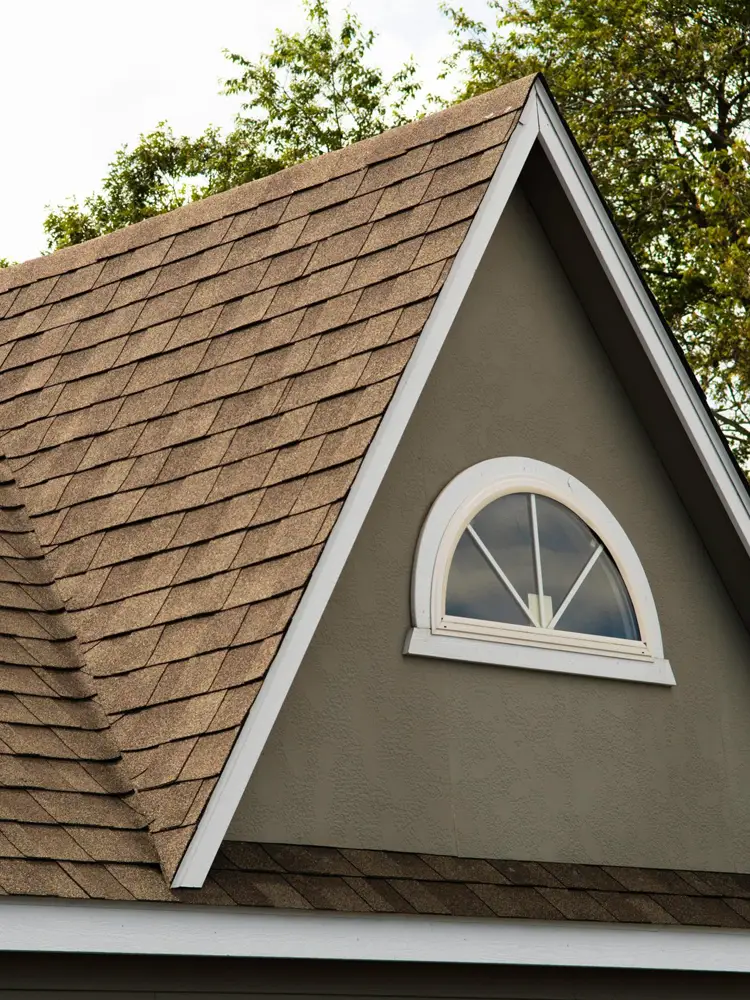

Expert Hail Damage Roof Repair Services

Hail Damage Roof Repair Services

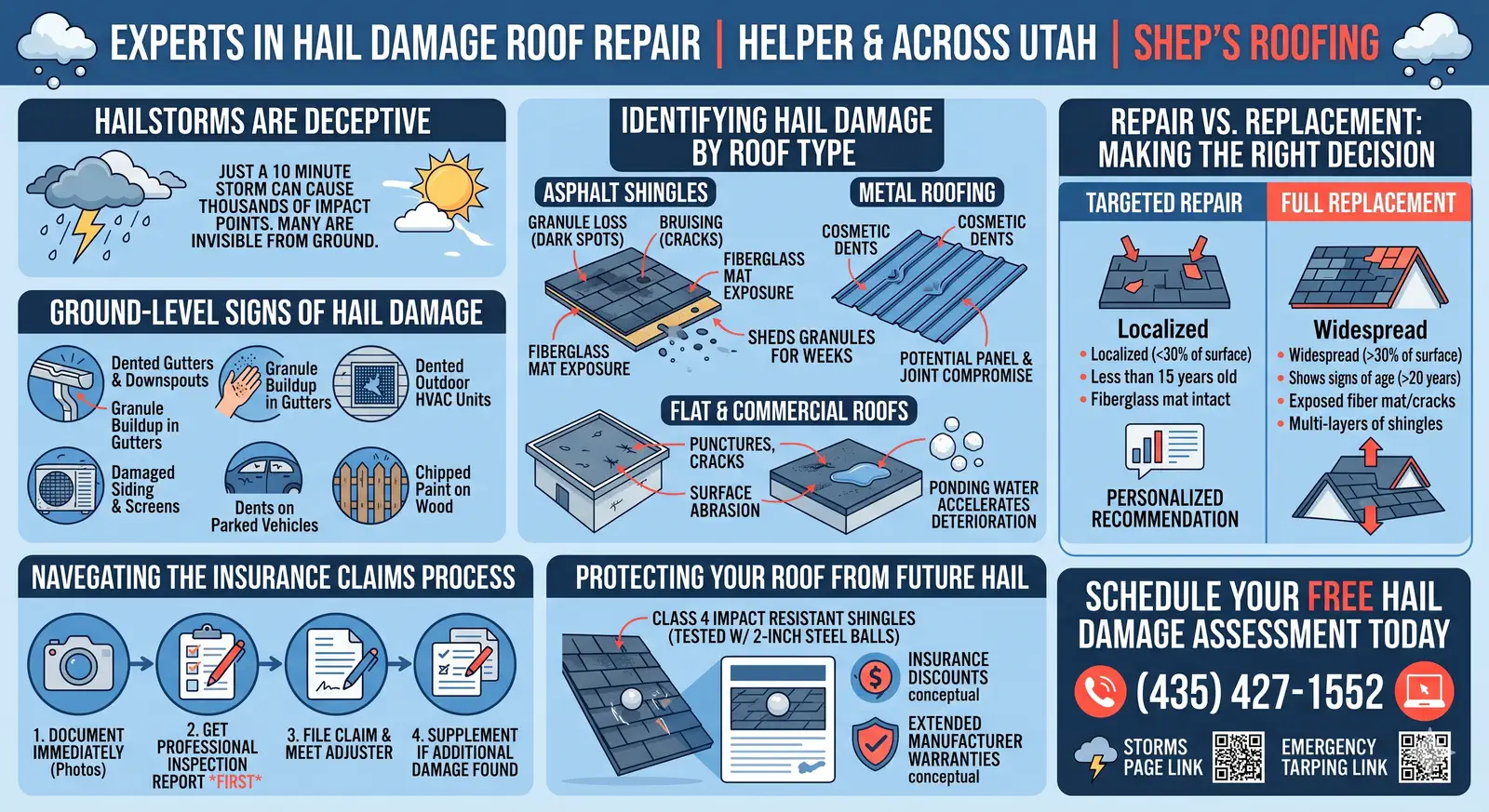
Hailstorms are among the most destructive and deceptive weather events a Utah roof can face. A storm lasting just ten minutes can leave behind thousands of impact points that compromise your roofing system’s ability to shed water, resist UV degradation, and maintain its full warranty protection. Many of these impacts are invisible from the ground, which is why professional inspection and repair are so critical after any hail event in Carbon County or along the Wasatch Front.

Shep’s Roofing, headquartered at 435 N Main Street in Helper, UT, provides comprehensive hail damage roof repair services for homeowners and businesses across the state. Our certified inspectors identify damage that untrained eyes consistently miss, and our crews restore your roof with manufacturer-approved materials and techniques that maintain your warranty coverage. We also handle every step of the insurance claims process on your behalf. Call (435) 427-1552 or request a free roof estimate to get started.

How Hailstorms Damage Utah Roofs

Utah sits at the intersection of weather patterns that produce frequent, intense hail. Warm moisture from the southwest collides with cold air masses descending from the Wasatch and Uinta ranges, generating the convective energy that fuels severe thunderstorms. The National Weather Service Salt Lake City office regularly issues severe thunderstorm warnings for eastern Utah during the late spring and summer monsoon season, and Carbon County has experienced some of the state’s most damaging hail events in recent years.

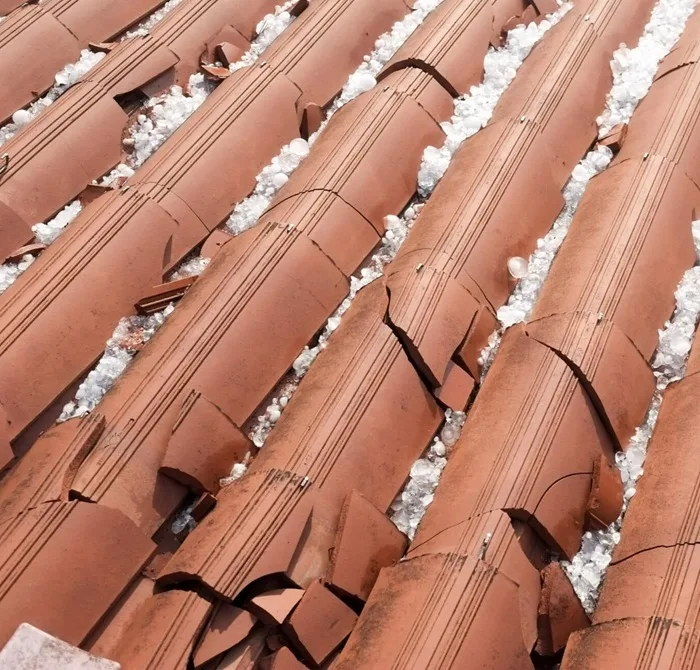
In August 2024, Helper was struck by a severe hailstorm that produced golf-ball-sized hailstones, flooding residential streets and causing widespread property damage throughout the city. That same month, Utah County communities including Orem, Pleasant Grove, American Fork, Lehi, and Saratoga Springs were hit by one of the most destructive hailstorms in recent memory, generating thousands of insurance claims and leaving roofing contractors booked for months. These events are not anomalies, they are part of a recurring pattern that makes hail damage inspection and repair an ongoing necessity for every Utah property owner.

Identifying Hail Damage on Different Roofing Materials

Hail does not affect every roofing material the same way. Recognizing the specific signs of damage on your roof type is essential for an accurate insurance claim and effective repair. Here is what Shep’s Roofing inspectors look for on each material.

Hail Damage to Asphalt Shingles

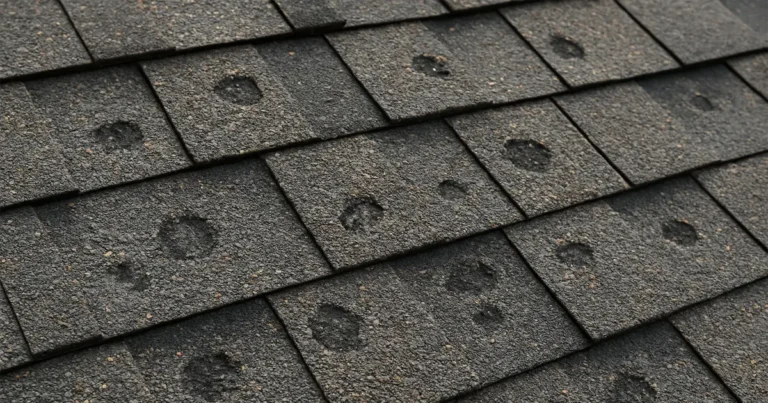
Asphalt shingles are the most common residential roofing material in Utah and one of the most susceptible to hail damage. When hailstones strike asphalt shingles, they displace the protective granule layer that shields the asphalt from UV radiation. These impact marks appear as dark, randomly spaced spots where the granule surface has been disturbed or knocked away entirely. You may also notice circular cracks, exposed fiberglass mat, or soft spots where the underlying structure has been bruised. A heavily impacted shingle will shed granules into your gutters and downspouts for weeks after the event.

Hail Damage to Metal Roofing

Metal roofing systems are significantly more hail-resistant than asphalt, but large hailstones can still leave cosmetic dents and, in severe cases, compromise the integrity of standing seam joints. Our inspectors check for denting patterns across panels, loosened fasteners, and damage to ridge caps, valleys, and trim where metal components are most vulnerable.

Hail Damage to Flat and Commercial Roofs

Flat roof systems, TPO membranes, and commercial roof coatings can sustain punctures, cracks, and surface abrasion from hail impact. Because flat roofs lack the slope that sheds water quickly, even minor hail damage can lead to ponding water and accelerated membrane deterioration. Our commercial roofing team is trained to inspect these systems using both visual assessment and moisture detection tools.

Hail Size and Roof Damage Potential: What Utah Property Owners Can Expect

Understanding the relationship between hailstone size and structural damage helps property owners accurately gauge the urgency of post-storm repairs. The table below outlines the specific impacts you can expect at various hail sizes based on our firsthand experience inspecting properties across Helper, Carbon County, and Utah.

Hail Diameter

Common Size Reference

Residential Roof Impact

Commercial Roof Impact

Recommended Action

0.75″ – 1.0″

Penny to Quarter

Minor granule displacement, small dents on gutters, and minor seal stress.

Surface scuffing on TPO membranes; potential for micro-fractures.

Schedule a free inspection to verify seal integrity and catch hidden damage.

1.25″ – 1.5″

Half Dollar

Noticeable shingle bruising, moderate granule loss, and dented soft metals.

Early-stage fracturing on flat roofs and EPDM surface compression.

Professional evaluation for targeted roof repairs or partial replacement.

1.75″

Golf Ball (Common in severe Utah storms)

Severe shingle bruising, fractured fiberglass matting, and compromised flashing.

Star-shaped fractures on TPO; high risk of membrane punctures.

Comprehensive assessment for extensive repairs or a full roof replacement.

2.0″

Egg

Widespread mat fractures, cracked asphalt shingles, and heavily dented metal panels.

Deep membrane punctures with beginning stages of insulation saturation.

Full roof replacement evaluation required to support an insurance claim.

2.5″+

Tennis Ball to Baseball

Catastrophic material failure, exposed structural decking, and shattered vents.

Complete membrane breach leaving the building envelope entirely exposed.

Immediate emergency tarping followed by a total roof restoration.

Our Hail Damage Inspection Process in Utah

A thorough, systematic inspection is what separates a successful insurance claim from one that gets underpaid or denied. Here is how Shep’s Roofing inspects a hail-damaged property.

  • Property Perimeter Walk. We start on the ground, checking gutters, siding, window trim, HVAC equipment, and any other exposed surfaces for impact evidence. This collateral damage documentation strengthens your insurance claim significantly.
  • Roof Surface Grid Inspection. Our inspectors divide the roof into sections and walk each one systematically, marking every hail strike with chalk. This grid method ensures no area is missed and produces the comprehensive damage count your adjuster needs to approve a full-scope repair.
  • Material-Specific Assessment. We evaluate damage according to manufacturer specifications for each roofing material. For asphalt shingles, we test for granule loss, mat fracture, and seal strip failure. For metal panels, we check seam integrity and fastener condition. For flat membranes, we probe for punctures and surface cracking.
  • Flashing and Penetration Inspection. Pipe boots, vent caps, skylights, and chimney flashing are common weak points where hail damage leads to roof leaks. We inspect every penetration point individually.
  • Interior Inspection. We check the attic for daylight penetration, moisture stains on decking, and any signs of water that has already begun to infiltrate.
  • Documented Report with Photos. You receive a detailed written report with high-resolution photos, marked damage counts, a repair-or-replace recommendation, and a scope of work ready for your insurance adjuster. This report is the foundation of a well-supported claim.

Why Choose Shep’s Roofing

  • Meticulous Damage Detection: Hail damage isn’t always visible from the ground. Our certified inspectors use a detailed grid system to uncover hidden shingle bruises, granule loss, and micro-fractures that untrained eyes often miss.
  • Insurance Claim Advocacy: We take the stress out of filing a claim. Our team meets directly with your insurance adjuster on-site, providing comprehensive photo evidence and detailed damage reports to ensure you receive full coverage for the necessary repairs.
  • Impact-Resistant Upgrades: We don’t just replace your roof; we upgrade its resilience. We install premium Class 4 impact-resistant shingles and durable metal roofing systems engineered to withstand future severe weather.
  • True Local Accountability: Unlike out-of-state storm chasers who vanish after the check clears, we are firmly rooted in Helper, UT. We stand behind our workmanship with reliable, long-term warranties and accessible local support.
  • Comprehensive Exterior Restoration: Hail doesn’t just hit your roof. Our skilled crews can also replace dented gutters, damaged siding, and compromised flashing, restoring your entire home’s exterior in one seamless project.

Signs of Hail Damage You Can Spot From the Ground

While a professional roof inspection is the only way to fully assess hail damage, there are several indicators you can safely check from ground level after a storm. These warning signs should prompt an immediate call for a professional evaluation:

  • Dented gutters and downspouts: Look for dings or small craters on the metal surfaces of your gutter system. This confirms hailstones struck your roofline at a damaging velocity.
  • Granule buildup in gutter basins: Check the output of your downspouts for accumulations of dark, sand-like granules. This indicates that hail impacts have displaced the protective coating on your shingles.
  • Damaged siding and window screens: Examine your aluminum or vinyl siding and window screens for dents, tears, or holes. Damage to these components confirms the hailstones were large enough to affect your roofing materials as well.
  • Dented outdoor HVAC units: Check your exterior air conditioning unit for dented fins or cracked housing, which provides further evidence of damaging hail size.
  • Dents on parked vehicles: If cars parked outside during the storm show dents on the hood, roof, or trunk, this helps establish hailstone size for insurance documentation purposes.
  • Chipped paint on wood surfaces: Inspect painted fence posts, deck rails, or exterior trim for chipped or spattered paint that indicates hail velocity and angle of impact.

If you see damage to any of these ground-level components, your roof almost certainly sustained direct hits as well and requires a professional assessment.

Hail Damage Roof Repair vs. Full Roof Replacement

Not every hail-damaged roof requires a full tear-off and replacement. The right approach depends on the extent of damage, the age and condition of your existing roof, and what your insurance adjuster approves.

When Targeted Roof Repairs Make Sense

In general, if hail impacts are localized to one or two slopes and the roof is less than 15 years old with no prior damage, targeted roof repairs are usually sufficient. Repairs work well when impact counts remain below roughly eight per test square, the fiberglass mat is still intact beneath the granule layer, and collateral damage to flashing and vents is minimal.

When a Full Roof Replacement is Recommended

When damage spans multiple slopes, affects more than roughly 30 percent of the roof surface, or occurs on a roof already showing signs of age, a full roof replacement typically delivers better long-term value and is often what insurance will cover. Replacement is also the recommended path when exposed fiberglass mat or cracked shingles are present, when two or more layers of shingles already exist, or when the roof is over 15 to 20 years old and the hail event pushes it past its useful life. Our inspectors provide a personalized recommendation during every free assessment so you can make an informed decision.

Testimonials

What They’re Saying About Us

***REVIEWS GO HERE***

Filing an Insurance Claim for Hail Damage in Utah

Most standard homeowners insurance policies cover hail damage as a sudden, accidental event. In Utah, you generally have up to 12 months from the date of the storm to file a claim, but waiting is risky. The longer you delay, the harder it becomes to prove the damage resulted from a specific event, and secondary issues like hidden leaks, wood rot, and mold can develop in the meantime.

The Utah Insurance Department advises homeowners to document damage immediately with photos, make temporary repairs to prevent further damage, and save all receipts. Shep’s Roofing supports this process by providing professional documentation before you file, meeting your adjuster on-site, and submitting supplements when additional damage is discovered during tear-off. In most cases, you pay only your deductible and we work directly with your carrier for the balance.

Your first call after a hailstorm should be to a trusted local roofer, not your insurance company. Having a professional inspection report in hand before you contact your insurer puts you in a much stronger position to receive a fair settlement from the start. We never charge for hail damage inspections and never pressure you to commit before you are ready.

Protecting Your Roof From Future Hail Damage in Utah

While no roofing material is completely hail-proof, choosing the right products during your next repair or roof installation can dramatically reduce future damage. Shep’s Roofing installs impact-resistant shingles rated UL 2218 Class 4, which are tested to withstand repeated impacts from two-inch steel balls dropped from 20 feet. Many Utah insurance carriers offer premium discounts of 10 to 28 percent for homes with Class 4 rated roofing, making the upgrade a smart financial decision as well.

We also carry certifications from leading shingle manufacturers and brands, enabling us to offer extended manufacturer warranties that standard contractors cannot. These certifications require ongoing training and adherence to strict installation protocols, giving you confidence that your new roof will perform as designed when the next storm arrives.

For properties with flat or low-slope roofs, we recommend upgraded membrane thickness and additional protective layers at vulnerable points. Our commercial roofing team can design a system tailored to your building’s exposure and budget.

Proudly Serving Utah With Expert Hail Damage Roof Repair Services

When severe hailstorms strike, prompt inspection and repair are critical to preventing hidden leaks and long-term water damage to your home. Shep’s Roofing proudly provides expert hail damage roof repair and complete restoration services to residential and commercial properties across Utah. Our service areas include Helper, Salt Lake City, Provo, West Valley City, West Jordan, St. George, Lehi, Orem, Sandy, Eagle Mountain, Herriman, and Saratoga Springs. Explore our complete list of coverage zones on our Service Areas page. From identifying bruised shingles and dented flashing to guiding you through the insurance claims process and installing Class 4 impact-resistant materials, our experienced local crews are dedicated to securing your property.

Schedule Your Free Hail Damage Roof Inspection Today

If a severe hailstorm has recently rolled through your neighborhood, do not wait for water spots to appear on your ceiling before taking action. Hidden shingle bruises and micro-fractures worsen with every subsequent rainstorm and can even void your manufacturer warranty if left unaddressed. Let the local experts at Shep’s Roofing evaluate your property with a thorough, no-obligation assessment to catch the damage early and protect your home.

Call Shep’s Roofing at (435) 427-1552 for a free, no-obligation hail damage inspection, or submit a request through our contact page. You can also explore our storm damage roofing services page for a broader look at how we handle all types of storm restoration, visit our emergency tarping page if your roof has an active breach.

Frequently Asked Questions

How do I know if my roof has hail damage if it is not leaking?

Hail damage does not always cause immediate leaks. The more common effect is granule loss and hairline cracking that shortens your roof’s lifespan and leaves it vulnerable to the next weather event. The only reliable way to confirm hail damage is a professional inspection, which Shep’s Roofing provides at no cost.

Most Utah policies allow up to 12 months from the date of the storm, but filing within the first few weeks is strongly recommended. Delays make it harder to prove damage origin and give secondary problems time to develop. Contact us immediately after any hailstorm for a free inspection so you have documentation ready before you call your insurer.

In most cases, your policy covers the full cost of restoring your roof to its pre-storm condition minus your deductible. Shep’s Roofing documents all damage thoroughly and meets with your adjuster to advocate for a complete repair scope. If the initial payout is insufficient, we submit supplemental claims on your behalf.

You always have the right to choose your own contractor. Your insurance company may recommend preferred vendors, but you are under no obligation to use them. Choosing a local, licensed contractor like Shep’s Roofing ensures accountability, proper licensing, and a team that will be here to honor warranties long after the repair is complete.

Class 4 is the highest impact resistance rating under UL 2218 testing standards. These shingles are designed to withstand repeated strikes from two-inch steel balls and offer significantly better hail protection than standard shingles. Many Utah insurers offer premium discounts for homes with Class 4 roofing installed.

Yes. Hailstones as small as one inch in diameter can cause meaningful damage to asphalt shingles, especially to the granule layer. Damage from smaller hail is often invisible from the ground but shortens the roof’s effective lifespan. A free inspection from Shep’s Roofing takes the guesswork out of the equation.

Get in Touch with Us

Shep’s Roofing

435 N Main St, Helper, UT 84526

(435) 472-1552

Monday: 8AM – 8PM
Tuesday: 8AM – 8PM
Wednesday: 8AM – 8PM
Thursday: 8AM – 8PM
Friday: 8AM – 8PM
Saturday: 8AM – 8PM
Sunday: Closed

***MAP GOES HERE***

Quality roofing provider

Connect With Us

Shep’s Roofing
435 N Main St, Helper, UT 84526
(435) 472-1552
Mon–Sat: 8 AM – 8 PM