



- Services
- Roof Inspections
Professional Roof Inspection Services
Roof Inspection Services
Your roof is the most important part of your home’s exterior. It shields you from Utah’s heavy snow, intense summer sun, and high winds. However, because it is “out of sight, out of mind,” many homeowners forget about it until a leak appears. At Shep’s Roofing, we provide a thorough roof inspection to find small issues before they become expensive disasters.
Located in Helper, Utah, our team serves both residential and commercial clients across the region. Whether you need a residential roofing inspection for a new home or a commercial roof inspection for a warehouse, we have the expertise to help.
Why a Professional Roof Inspection Matters
Many people try to perform their own roof inspection from the ground using binoculars. While you might see a missing shingle, you cannot see the condition of the roof deck, roof framing, or the roofing felt underneath.
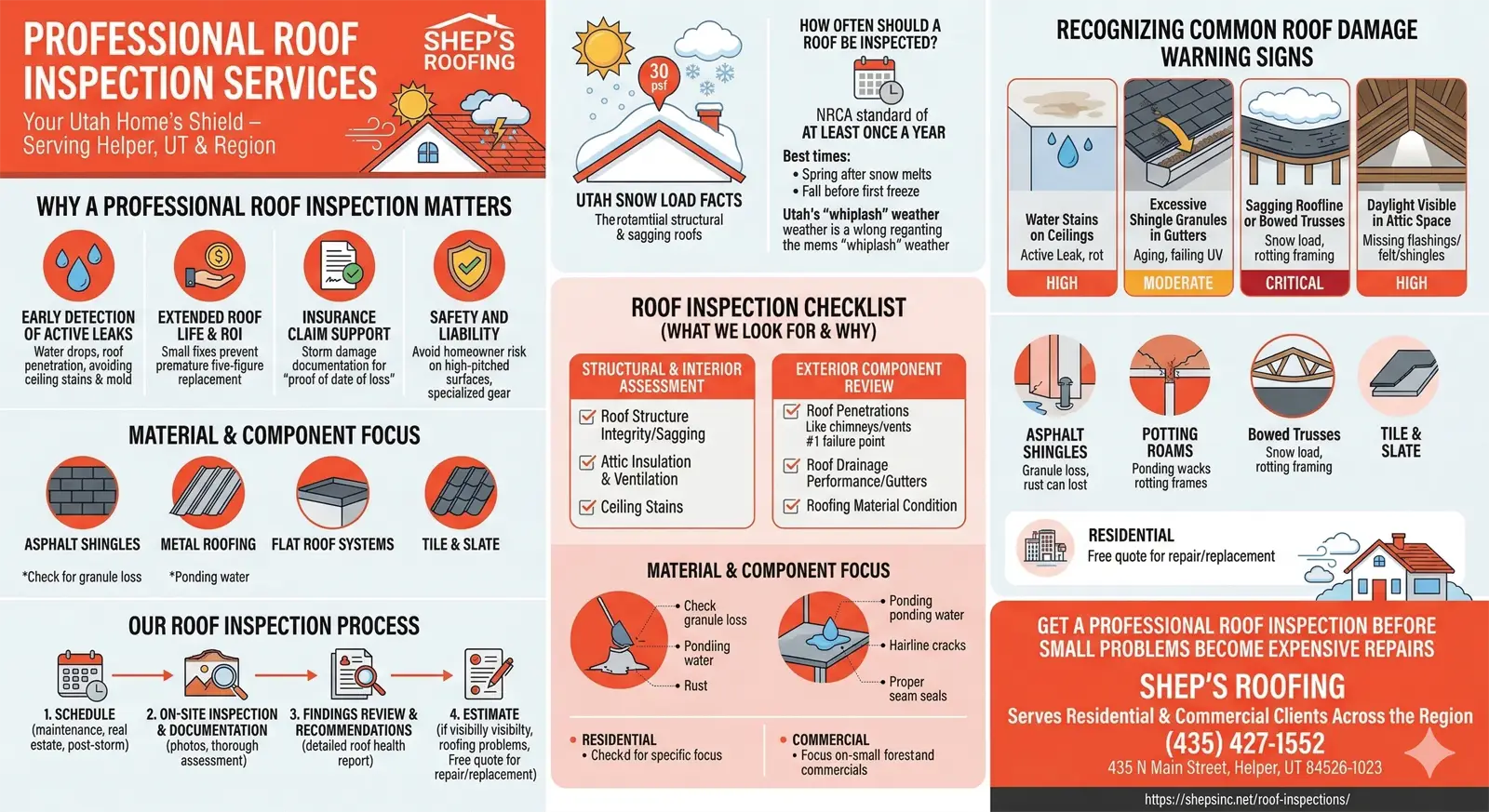
A professional roof inspection provides:
- Early Detection of Active Leaks: We find active roof leaks and moisture traps that haven’t reached your ceiling yet. This prevents mold growth and structural rot in your roofing system.
- Extended Roof Life and ROI: Small fixes, such as replacing a few roofing tiles or resealing roof flashings, prevent the need for a premature, five-figure roof replacement.
- Insurance Claim Support: Having a certified roof inspector document damage immediately after a storm is vital for a roof-related insurance claim. Insurance companies often require professional proof of “date of loss.”
- Safety and Liability: Walking on sloped roofs or high-pitched surfaces is dangerous. Our team uses specialized safety gear to inspect pitched-roof designs without risk to the homeowner.
Roof Types We Inspect
Our roofing inspectors are trained to evaluate every type of roofing system common in Utah. We understand how different materials age and where they are most likely to fail in our high-elevation climate.
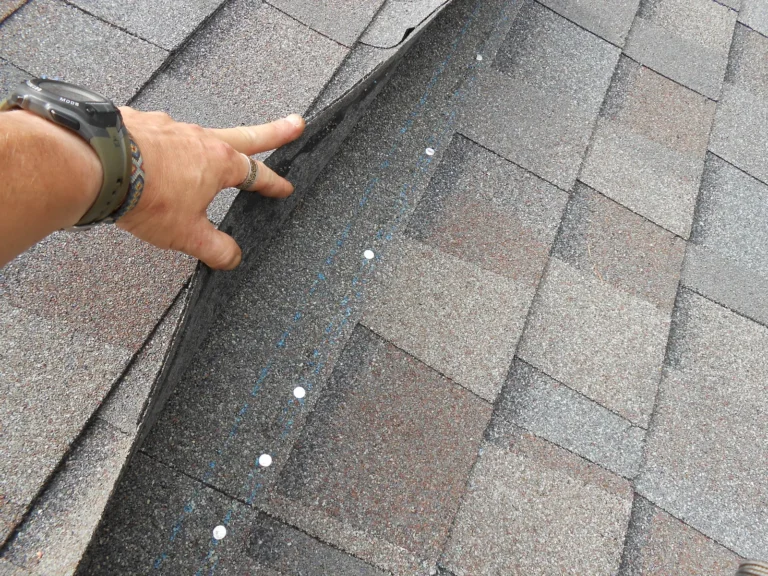
- Asphalt Shingle Roofs: We check for “balding” or granule loss on architectural shingles and asphalt shingles, which indicates the UV protection is failing.
- Metal Roofing: We inspect metal roofs, checking for rust, loose fasteners, and sealant failure on metal tile roofs and standing seam systems.
- Flat Roof Systems: We specialize in commercial roofs, including TPO roofing, built-up roofing (BUR), and membrane roofing, looking for “ponding” water that leads to leaks.
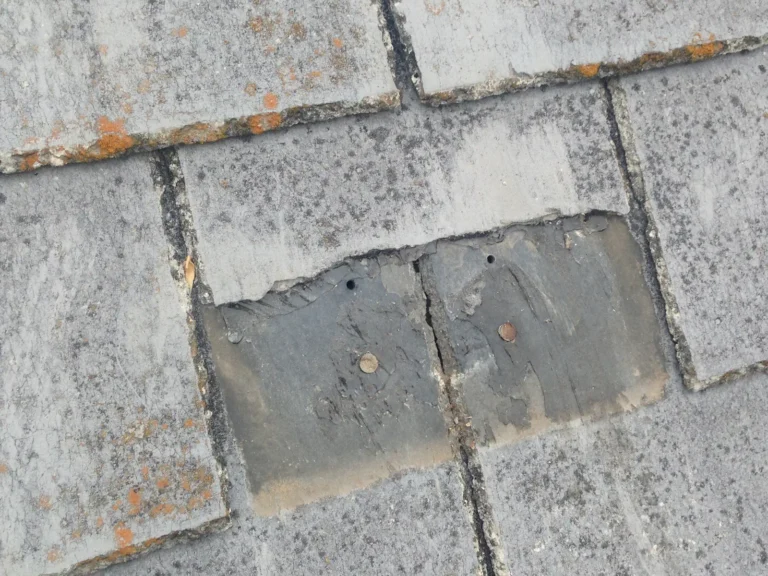
- Tile and Slate: Our experts carefully walk concrete tile roofs, slate tile roofs, and barrel-roof styles to find hairline cracks without breaking the fragile roofing materials.
- Specialized Designs: From wood roof shakes to mansard roof designs and built-up roofing systems, we have the experience to assess any roofing structure.
roofing
Our Services
Roofing Services
Our crews are trained in the latest safety protocols, material handling, and installation techniques. Each member is vetted, insured, and committed to getting the job done right the first time. We frequently complete OSHA-certified safety training and maintain up-to-date licenses.
- Roof Inspections
- Roof Repairs
- Roof Leak Detection
- Emergency Roofing
- Structural & Sagging Roof Repair
- Residential Roofing
- Asphalt Shingle Roofing
- Shingle Certifications and Brands
- Roof Replacement
- Roof Installation
- Metal Roofing
- Storm Damage Roofing Services
- Emergency Tarping
- Hail Damage Roof Repair
- Wind Damage Roof Repair
- Commercial Roofing
- TPO Roofing
- Commercial Roof Coatings
- Flat Roof Systems
How Often Should a Roof Be Inspected?
Industry standards from the National Roofing Contractors Association (NRCA) suggest that a building’s roof should be inspected at least once a year. In Utah, the best time is usually in the spring after the snow melts or in the fall before the first freeze. Regular maintenance can significantly extend the lifespan of your roofing material.
Utah is experiencing a “whiplash” weather year with record-breaking warmth followed by intense spring rain. This cycle accelerates the expansion and contraction of roofing felt and shingles, making annual checks more critical than ever to prevent potential roof leaks.
Common Roofing Materials and Inspection Priorities
Understanding the unique vulnerabilities of your specific roofing material is crucial for effective long-term maintenance. Our certified roofing contractors use this material-specific guide to identify common structural failures during every professional roof inspection in Utah.
Roofing Material | Average Lifespan in Utah | Primary Inspection Focus | Common Climate Threats |
Asphalt Shingles | 15–25 Years | Granule loss, curling edges, loose roofing nails | High winds, UV degradation, hail damage |
Metal Roofing | 40–70+ Years | Rust spots, loose fasteners, failing seam seals | Thermal expansion/contraction, heavy snow |
Flat Roofs (TPO/EPDM) | 20–30 Years | Ponding water, punctured membrane roofing, seam separation | Standing water, commercial foot traffic |
Tile & Slate | 50–100+ Years | Hairline cracks, slipped tiles, failing underlayment | Extreme freeze-thaw cycles, physical impact |
Roof Inspection Checklist (What We Look For & Why)
Every roofing inspection we perform is comprehensive. We don’t just look at the roof surface; we look at the whole roofing system.
Structural and Interior Assessment
- Roof Structure Integrity: We check for sagging between roof trusses or issues with the roof framing system that could indicate “snow load” stress.
- Attic Insulation & Ventilation: An attic inspection is often included to check for roof insulation levels and signs of wood rot on the roof sheathing.
- Ceiling Stains: We cross-reference interior water spots with exterior roof areas to pinpoint the exact entry point of a roof leak.
Exterior Component Review
- Roof Penetrations: We examine seals around chimneys, vents, and pipes. These are the #1 failure points for future roof leaks.
- Roof Drainage Performance: We ensure gutters and downspouts have the proper roof slope to move water away from the roof edge and foundation.
- Roofing Material Condition: We look for curled roof shingles, cracked tile roofs, or “surface crazing” on membrane roofing.
Utah Snow Load Facts: Why Your Structure Matters
In Carbon County and across the Wasatch Front, roofs must be designed to handle significant weight. According to the Utah State University Snow Load Study, ground snow loads in our region can exceed 30 psf (pounds per square foot). If your roof framing or roof deck is compromised by moisture, even a “normal” winter can lead to a catastrophic structural & sagging roof. Our inspections prioritize checking these load-bearing components.
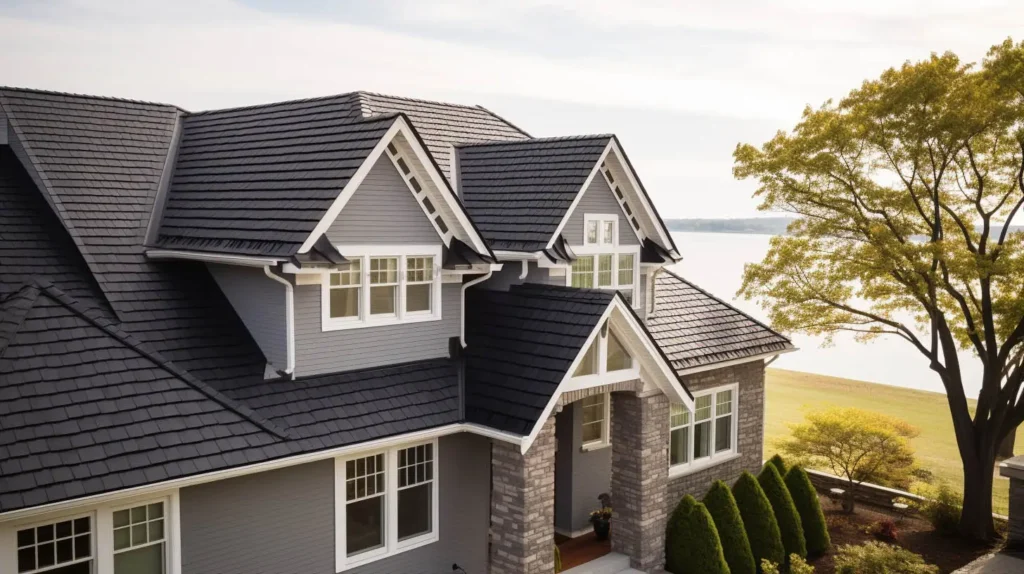
Proudly Serving Utah With Professional Roof Inspection Services
Shep’s Roofing is dedicated to protecting homes and businesses throughout the state from the harsh elements of our local climate. Whether you need a routine roof assessment before winter or a post-storm checkup, our local roofing inspectors are ready to provide honest, accurate evaluations.
We proudly offer comprehensive roof inspection services to the following communities: Salt Lake City, Provo, West Valley City, West Jordan, St. George, Lehi, Orem, Sandy, Eagle Mountain, Herriman, and Saratoga Springs.
Explore our complete list of coverage zones on our Service Areas page.
Why Choose Shep’s Roofing
Choosing a local expert makes a significant difference in the accuracy of your roofing inspection. At Shep’s Roofing, we don’t just look for leaks; we look for the specific environmental stressors that affect properties in the Helper and Salt Lake City areas.
- Utah Climate Specialists: We understand how Helper’s high-elevation UV rays and Salt Lake City’s heavy snow loads affect asphalt shingles and metal roofing. Our team identifies “thermal shock” cracks that general home inspectors often miss.
- Advanced Technology: We use drone imagery and moisture sensors to evaluate the roof surface and roof decking without causing damage to fragile tile roofs or membrane roofing.
- Honest, Photo-Backed Reports: Every professional roof inspection ends with a digital inspection report. We provide high-resolution photos of your roof ridge, flashing, and valleys so you see exactly what we see.
- Insurance Advocacy: If we find wind damage or hail damage, our forensic roof® inspection provides the technical data required to support a roof-related insurance claim.
- Certified Authority: As a licensed Utah roofing contractor, we stay updated on the International Building Code requirements to ensure your roofing system is safe and legal.
When to Schedule a Roof Inspection in Utah
Early detection is the most effective way to prevent a five-figure roof replacement. Timing your assessment correctly ensures your home remains resilient against Utah’s unpredictable weather cycles.
After Severe Weather
Utah experiences intense hail damage and wind damage that can compromise even the newest roofing system. After a major storm, you should have a forensic roof inspection to check for hidden bruising on roof shingles or loosened roof flashings. Impact marks from hail can crack the fiberglass mat inside an asphalt shingle, leading to a slow roof leak that might not become visible indoors for months.
When You Notice Warning Signs
If you see water spots on ceilings, granules in your gutters, or a structural & sagging roof, call us immediately for emergency roofing assistance. Other subtle red flags include “daylight” peeking through the roof sheathing in your attic or shingle roofs that appear wavy or buckled. In Utah’s 2026 climate, these signs often indicate that the roof deck has been compromised by the freeze-thaw cycle.
Before Buying or Selling a Property
A standard home inspection often misses technical roofing issues because general inspectors rarely walk the entire roof or check the roof pitches closely. A separate professional roof inspection ensures you aren’t buying a “lemon” with hidden roof framing rot. For sellers, a roof certification can be a powerful closing tool, providing buyers with documented proof that the roofing material has years of remaining roof life.
As Routine Prevention
Routine roof maintenance is the cheapest way to own a home. According to the National Roofing Contractors Association (NRCA), homeowners should ideally schedule an annual roof inspection every spring or fall. Regular checkups keep your manufacturer warranty valid, ensure your roof insulation is performing efficiently, and keep your home dry through the winter snow-load season.
Recognizing Common Roof Damage Warning Signs
Early detection of roof degradation can save you thousands of dollars in emergency structural roof repairs. If you notice any of the following visual warning signs, schedule a professional roof assessment immediately to stop active roof leaks from spreading.
| Visual Warning Sign | Potential Hidden Damage | Recommended Action |
| Water stains on indoor ceilings | Active roof leak, saturated roof insulation, compromised roof decking | High Urgency: Schedule an emergency roofing inspection. |
| Excessive shingle granules in gutters | Failing UV protection, accelerated aging of asphalt shingles | Moderate Urgency: Book a routine roof assessment soon. |
| Sagging roofline or bowed trusses | Excessive snow load damage, rotting roof framing system | Critical Urgency: Immediate structural & sagging roof evaluation. |
| Daylight visible in the attic space | Missing roof flashings, torn roofing felt, or missing shingles | High Urgency: Inspect before the next rain or snowstorm. |
What Happens After the Inspection?
Once our roof inspector finishes, you will receive a copy of our findings.
- If the roof is good: We provide a roof certification or a “clean bill of health.”
- If repairs are needed: We can perform roof leak detection and minor fixes like replacing roofing tiles or sealing a roof leak.
- If the roof is failing: We will discuss roof replacement options and help you choose the best asphalt shingle roofing or metal roofing for your budget.
Testimonials
What They’re Saying About Us
Residential Roof Inspections
For most Utah homeowners, a residential roofing inspection focuses on the “envelope” of the home, ensuring that water, ice, and wind cannot penetrate the living space. Because many local homes use asphalt shingle roofs or metal roofing, our priority is checking the integrity of individual components that work together as a roofing system.
- Shingle and Tile Health: We look for roof shingles that are curling, “balding” (losing granules), or missing. On tile roofs, we check for hairline cracks caused by heavy snow loads.
- Attic and Ventilation: A critical part of a home inspection is the attic space. We check for roof insulation levels and ensure soffit vents and ridge vents are clear. Proper airflow prevents “ice dams,” a common Utah problem where snow melts and refreezes at the roof edge, forcing water under the shingles.
- Leak Flashings: We meticulously inspect the roof flashings around chimneys, skylights, and plumbing vents. These metal or rubber seals are the most common failure points for active roof leaks.
Commercial Roof Inspections
A commercial roof inspection is a more technical process because these systems are often large, flat, and house expensive mechanical equipment. On commercial roofs, we focus on high-performance materials like TPO roofing, EPDM, and membrane roofing.
- Seam and Membrane Integrity: Unlike shingles that rely on gravity, flat roofs rely on watertight seals. We probe the heat-welded seams of TPO and the taped seams of EPDM to find small gaps. We also look for “alligatoring” (cracking) on built-up roofing (BUR) caused by UV exposure.
- Drainage and Ponding: Flat roofs must shed water within 48 hours. We check for “ponding water” and ensure roof drainage systems, scuppers, and internal drains are free of debris. In 2026, many Utah facility managers are finding that increased spring rainfall is testing older drainage capacities.
- Rooftop Equipment (HVAC): Commercial roofs often have heavy HVAC units. We inspect the “curbs” and penetrations where these units meet the roof surface, as the vibration and weight of the machinery can cause the roofing material to tear over time.
Frequently Asked Questions
How much does a roof inspection cost in Utah?
The cost of a professional roof inspection can vary depending on the size and steepness of your roofing system. However, at Shep’s Roofing, we frequently offer free roof estimates for property owners who suspect they have an active roof leak or storm damage. Contact us directly for pricing specific to your residential or commercial property.
How often should I have my roof inspected in Utah?
Because of Utah’s extreme weather, including heavy winter snow and intense summer heat, we highly recommend an annual roof inspection. The best times to schedule are in the spring to check for ice damage, or in the fall to prepare your roofing material for the incoming winter.
What exactly does a Shep’s Roofing inspection cover?
Our roofing inspectors look at the entire roof system. This includes checking the exterior roof surface (like asphalt shingles, metal roofing, or roofing tiles), examining all roof flashings around vents and chimneys, assessing roof drainage systems, and checking the structural integrity of the roof deck.
Does a roof inspection include looking inside my attic?
Yes, a thorough roof inspection often includes checking the attic space. We look for signs of poor roof insulation, inadequate ventilation (which causes ice dams in Utah winters), and hidden water stains on the underside of the roof sheathing.
Do I need a professional roof inspection before selling my house?
While a general home inspection is standard when selling a house, general inspectors rarely climb onto steep pitched-roof surfaces. A dedicated roof assessment from Shep’s Roofing ensures there are no hidden issues that could derail your sale, and it provides buyers with peace of mind.
How long does a typical roof inspection take?
For a standard residential shingle roof, the inspection process usually takes between 45 to 90 minutes. For larger commercial roofs or complex flat roof systems, the inspection will take longer to ensure every seam and drain is properly evaluated.
How does Utah's heavy snow affect my roof, and do you check for it?
Utah’s snow can put immense weight (snow load) on your home’s structure. During our inspection, we specifically look for signs of stress, such as a structural & sagging roof, bowed roof trusses, or compromised roof framing to ensure your roof can safely handle the winter months.
Can I just inspect my roof myself?
We strongly advise against performing your own roof inspection. Walking on a sloped roof is incredibly dangerous without proper safety training and gear. Furthermore, a professional roofer is trained to spot subtle signs of failure, like hairline cracks in membrane roofing or loose sealant, that an untrained eye will miss.
What are the warning signs that I need an immediate roof inspection?
You should schedule an inspection right away if you notice water spots on your ceilings, find an excessive amount of shingle granules in your gutters, see missing or torn roof shingles, or experience a severe wind or hail storm in your neighborhood.
What happens if you find a problem during the inspection?
If our certified roof inspector finds any issues, we will document them with clear photos in your inspection report. We will explain the severity of the problem and provide you with a transparent, no-obligation estimate for any necessary roof repairs or roof replacement.
Get in Touch with Us
Shep’s Roofing
435 N Main St, Helper, UT 84526
Monday: 8AM – 8PM
Tuesday: 8AM – 8PM
Wednesday: 8AM – 8PM
Thursday: 8AM – 8PM
Friday: 8AM – 8PM
Saturday: 8AM – 8PM
Sunday: Closed
Quality roofing provider
Connect With Us
Shep’s Roofing
435 N Main St, Helper, UT 84526
(435) 472-1552
Mon–Sat: 8 AM – 8 PM
